
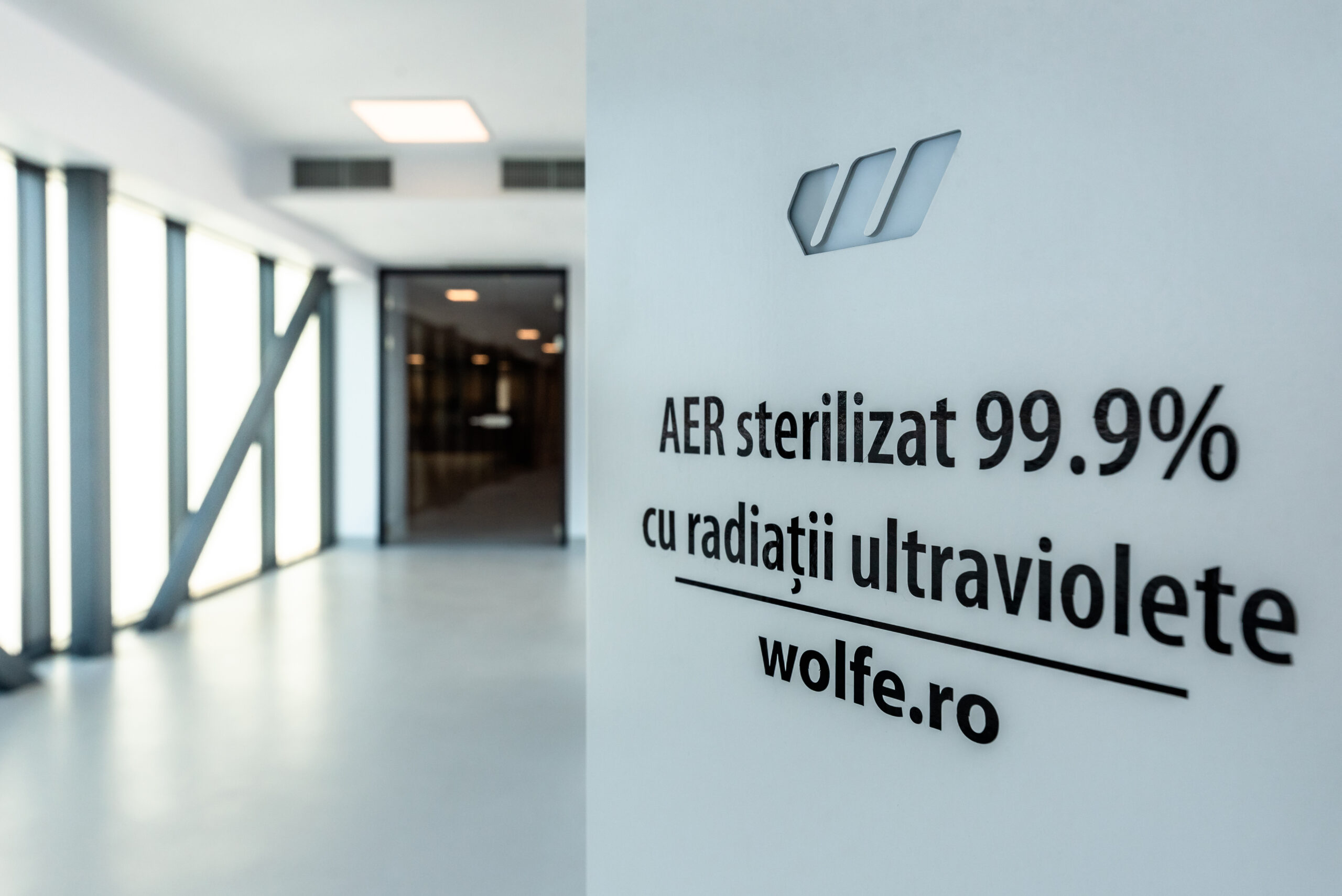
Epidemiological resilience begins with the air inside indoor spaces. The beginning of spring brings significant changes in environmental parameters — temperature, humidity, and air circulation — factors that influence aerosol dynamics and the persistence of pathogens in indoor environments. Spring also marks the start of a period of increased mobility — events, travel, educational activities. In medical and critical infrastructures, this can lead to higher occupancy density and, consequently, an increased cumulative risk of transmission. So we must direct our attention toward Air and Surface Disinfection.
This approach aligns with the European principles of the One Health concept, which is based on the understanding that human health, animal health, and environmental health are interconnected. Pathogens do not circulate in isolation, and the built environment — including indoor air — becomes an active component of the epidemiological chain. In this framework, prevention must be interdisciplinary and focused on reducing risk before clinical incidents occur.
In practice, One Health means shifting from reaction to anticipation: monitoring biological risks, limiting antimicrobial pressure, and strengthening infrastructures capable of reducing pathogen transmission. Indoor air quality control and the reduction of environmental contamination thus become structural elements of public health resilience.
In Romania, pressure on hospital infrastructure and disparities in modernization between facilities highlight the need for scalable solutions that can be implemented without major structural reconfigurations and that can function complementarily to existing measures.
Systemic resilience does not mean the absence of risk, but the ability to reduce its impact before it becomes a clinical incident
Healthcare-Associated Infections: 1 in 15 Patients Affected in the EU. Air and Surface Disinfection.
According to ECDC data, approximately 1 in 15 hospitalized patients in Europe develops a healthcare-associated infection (HAI), amounting to over 4 million cases annually across the EU. Airborne transmission and surface contamination remain relevant components in certain critical departments: ICU, operating rooms, oncology wards, and isolation units.
For epidemiologists and infection prevention specialists, the beginning of spring is an appropriate moment to:
- reassess airborne transmission risks
- analyze complementary contamination reduction measures, including air and surface disinfection
- integrate autonomous technologies into prevention strategies
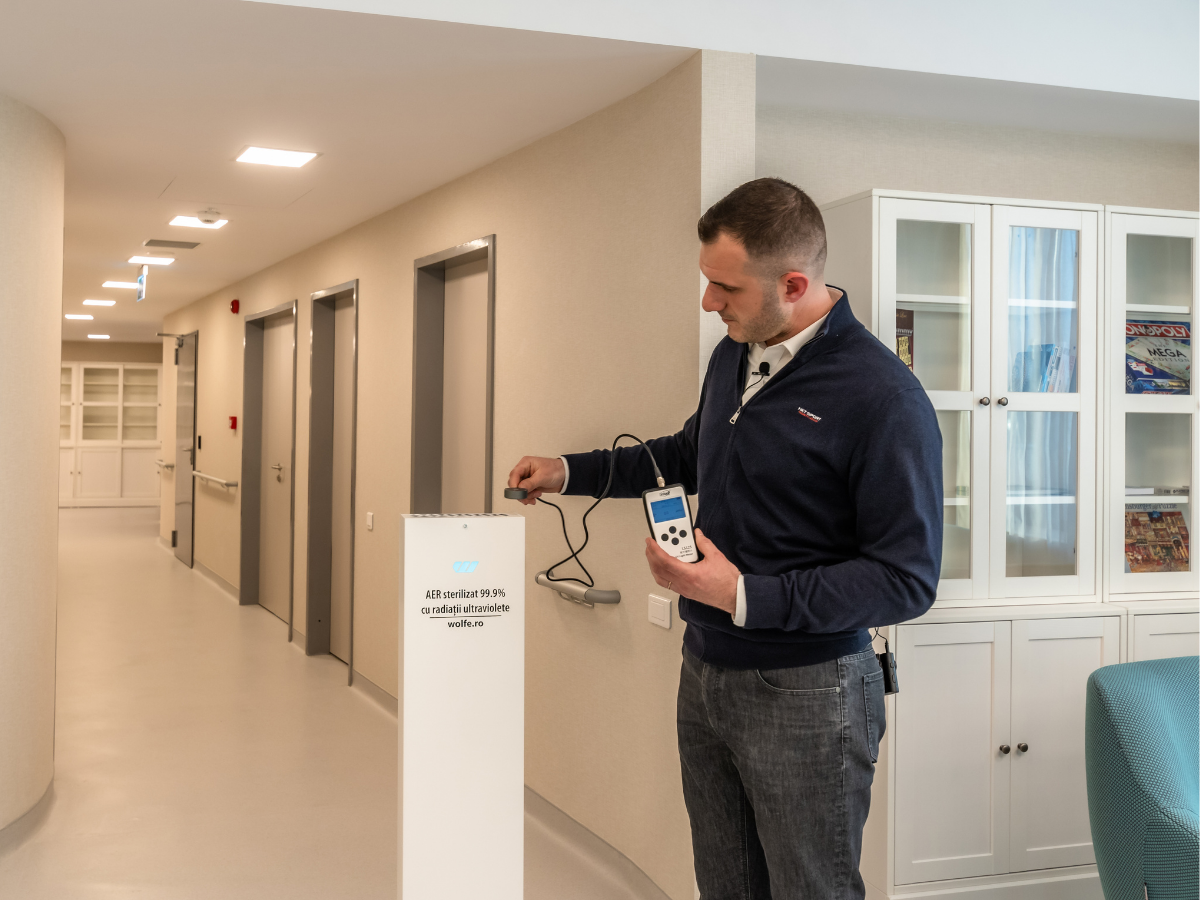
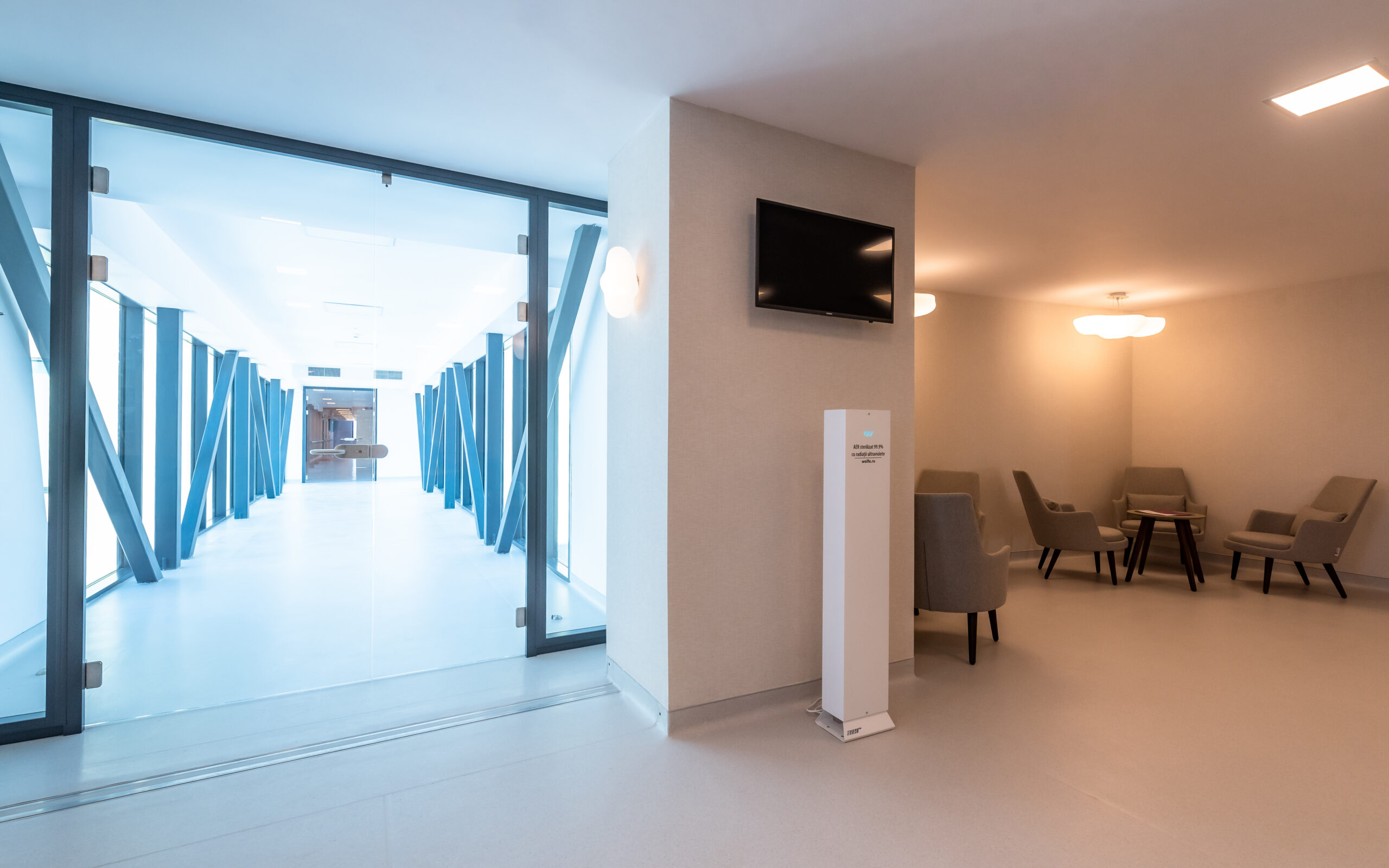
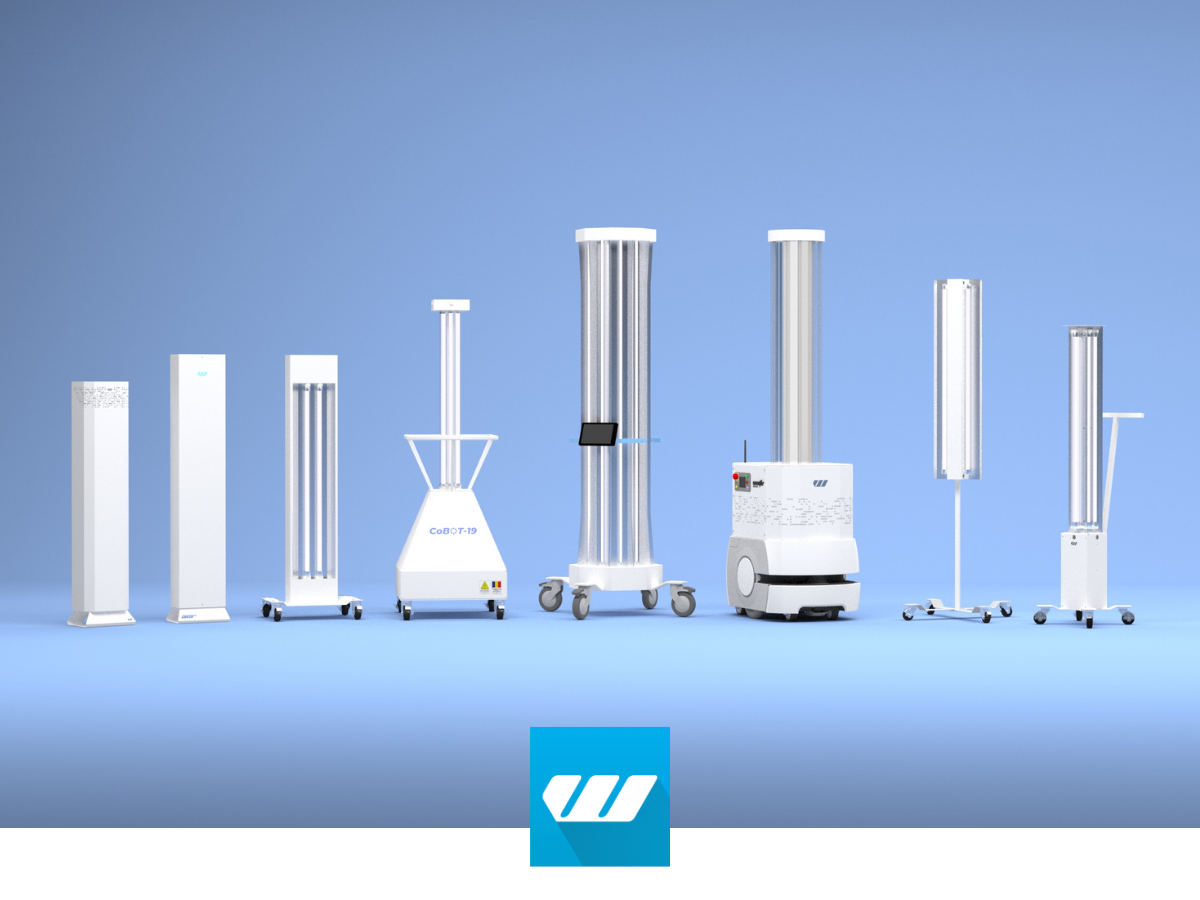
Wolf-e Robotics in Everyday Life. Air and Surface Disinfection.
At Wolf-e Robotics, we design and manufacture smart air disinfection devices and autonomous mobile robots, integrated with cloud-based verification platforms, enabling rapid, measurable, and safe disinfection of indoor air and surfaces.
Moreover, our solutions can be translated into the dual-use domain, being applicable not only in medical facilities but also in other critical infrastructures where air quality and biological safety are essential operational parameters.
Products such as CoBOT Ultra(recognized as one of the most powerful UV-C robots in the world) and WolfBot demonstrate how technology can be concretely applied to prevent healthcare-associated infections, providing transparency, auditability, and consistency in environments such as hospitals, clinics, and office spaces.
These robots ensure rapid disinfection of surfaces and air, achieving up to 99.9999% effectiveness against viruses, bacteria, fungi, and other harmful organic microorganisms by disrupting their DNA structure.
___________________________________________________________________________________________________
We are Wolf-e Robotics, and every day we work to support our mission of disinfecting the air and surfaces in the places where we work, learn, and spend our time. Through disinfection with intelligent UVC light equipment and mobile robots, we provide the most efficient and environmentally friendly method of inactivating microorganisms on surfaces and in the air. With applicability in the medical, commercial, transportation, education, and corporate sectors.
Presence on Social Media on Facebook, Instagram, LinkedIn and X for updates from Wolf-e Robotics. You can also contact us directly at office@wolfe.ro.


