
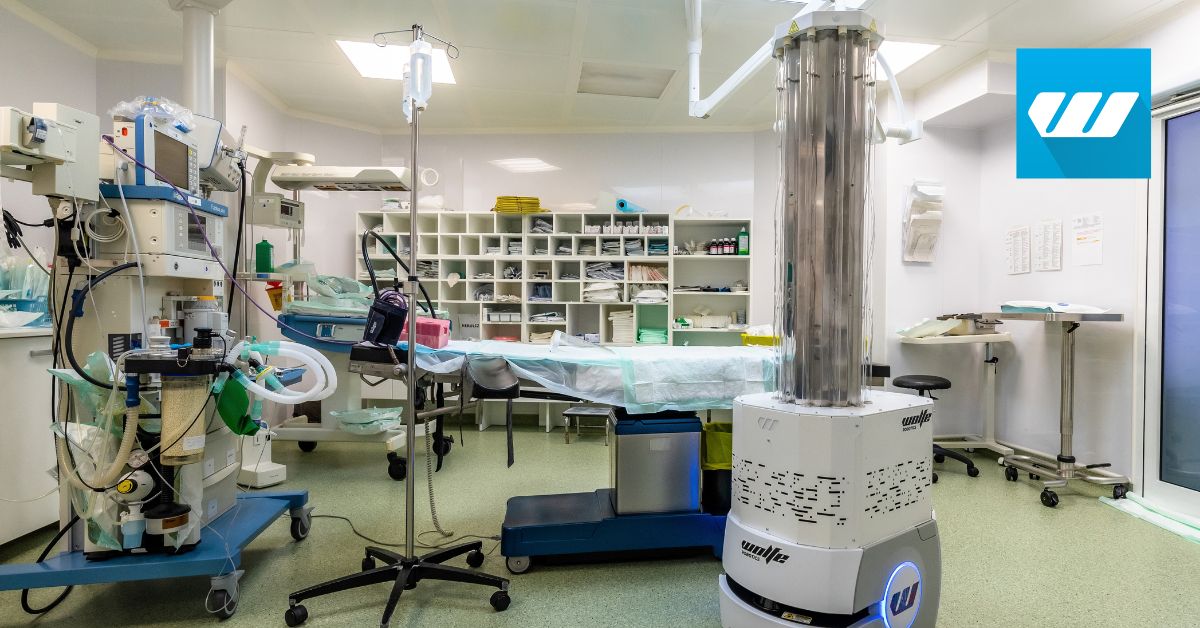
Training for staff responsible for UV-C disinfection of air and surfaces should include demonstrating correct equipment use, recognising unsafe situations and explaining which steps require support. Attending a presentation is a starting point; practical assessment shows what a person can apply when working on the ward.
At Wolf-e Robotics, we see training as part of introducing technology into hospital operations. For infection prevention specialists, quality managers and hospital leaders, the useful question is what staff responsible for disinfection need to be able to do, with the equipment available, in the space where they will use it.
Clean Hospitals Day, scheduled for 20 October 2026, highlights “Empowerment”: supporting the people involved in healthcare environmental hygiene. For us, this is an opportunity to discuss preparation, access to instructions and the ability to raise a concern before continuing a procedure.
What does demonstrated competence mean?
Demonstrated competence is a person’s ability to perform a task and explain the decisions relevant to completing it. For UV-C, assessment can address room preparation, selection of the applicable procedure and recognition of the limits of the person’s responsibilities.
We suggest starting with the actual task. The person responsible identifies the device and room, locates the current instructions and explains the checks required before starting. The assessor observes whether the steps are understood and performed in the prescribed order.
This approach is consistent with competency-based training. The CDC/STRIVE curriculum includes separate modules on training, audits and feedback, alongside environmental cleaning. These resources provide a general infection prevention framework; they do not certify a person or a UV-C product.
Staff training: how can we build a useful practical assessment?
A useful assessment focuses on the tasks the person will actually perform. For initial assessment, we suggest three stages: an instructor demonstration, repetition by the trainee and discussion of any differences observed.
For example, in an exercise with the UV-C sources switched off, the person responsible receives the instructions for the device they will use. We ask them to explain what they check before use and where they can find information if a question arises. This is an illustrative example, not a validated protocol or an account of a particular installation.
The assessment record can remain brief: the activity observed, the result, the difficulty identified and the support required. An attendance field documents participation; practical observations show what needs further practice.
CDC recommends demonstrations and hands-on practice in environmental cleaning staff training, together with periodic competency assessments. These recommendations come from guidance for facilities with limited resources and require adaptation to the hospital’s organisation and the equipment used.
Why does training differ between devices?
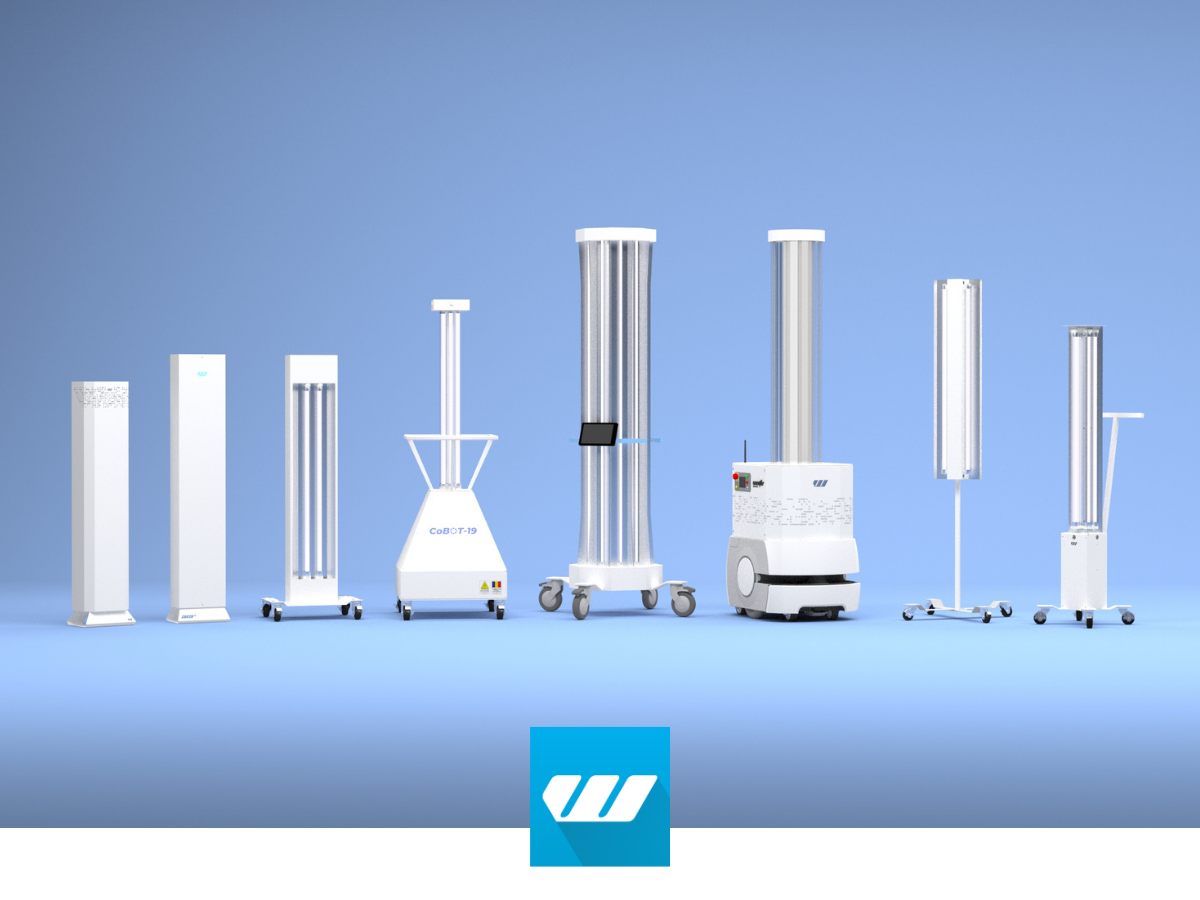
Training must reflect each system’s configuration and intended use. Equipment with exposed sources, intended to treat an unoccupied room, and a system designed for air disinfection in occupied spaces have different requirements.
For upper-room germicidal ultraviolet systems, CDC/NIOSH emphasises appropriate design, installation and training. Uncontrolled exposure can injure eyes and skin, and work near the sources requires specific precautions. These recommendations should not be transferred automatically to every UV-C configuration.
During local assessment, we recommend checking whether the person responsible recognises situations in which they should stop work and seek assistance. Simulations should avoid exposing people to radiation or disabling protective measures. The manufacturer’s instructions and the facility’s procedure determine the applicable steps.
What support should the organisation provide?
To apply training consistently, the team needs time, accessible instructions and clearly identified contacts. We recommend including these resources when planning equipment introduction, including arrangements for new and replacement staff.
The ECDC factsheet for Romania, covering the 2022–2023 survey, reports 1.11 full-time-equivalent infection prevention and control nurses per 250 beds in participating hospitals. This indicator expresses staffing resources relative to beds; it does not represent the number of staff responsible for UV-C disinfection or establish a universal staffing requirement.
Within this organisation, operational data can guide discussions about support needs. Wolf-e OS documentation describes recording the room, device, person using the equipment, date, duration and cycle status. These records can help identify situations to review with the team; they do not independently measure staff competence.
How can we track progress after staff training?
We suggest tracking training attendance, practical demonstration results and recurring difficulties separately. A subsequent assessment can then indicate whether the support provided addressed the identified problem.
These indicators describe process implementation. They do not automatically demonstrate reduced contamination or fewer infections. UV-C complements cleaning and other prevention measures, while evaluating clinical outcomes requires data and epidemiological analysis. An increase in reported infections alone neither demonstrates deteriorating safety nor can be attributed entirely to better detection without evidence.
We have discussed UV-C disinfection traceability separately. The focus here remains on the people using the technology. Together with healthcare teams, we can make training a process of observation, explanation and support, adapted to real work.
We are Wolf-e Robotics, and every day we work to support our mission of disinfecting the air and surfaces in the places where we work, learn, and spend our time. Through disinfection with intelligent UVC light equipment and mobile robots, we provide the most efficient and environmentally friendly method of inactivating microorganisms on surfaces and in the air. With applicability in the medical, commercial, transportation, education, and corporate sectors.
Follow us on LinkedIn, X, Facebook and Instagram!
